


Format : 110 g
Regular price
21,00€
Sale price
21,00€
Unit price
per
Regular price
7,00€
Sale price
7,00€
Unit price
per

Regular price
10,50€
Sale price
10,50€
Unit price
per


Description
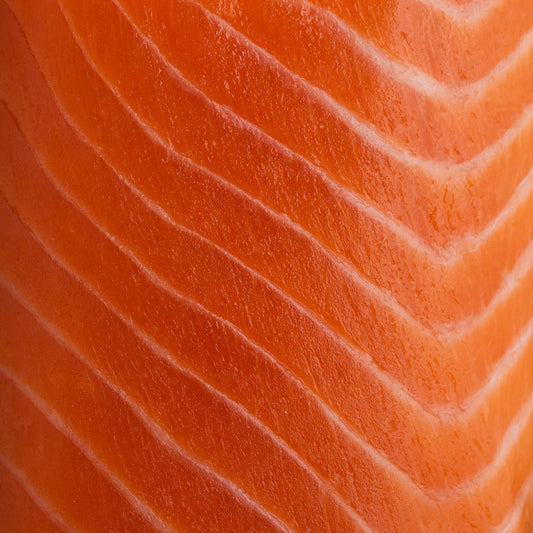
Inspired by pasterma, this confit salmon reveals an unprecedented aromatic intensity. Carefully matured over time, it is hand-rubbed with a blend of spices: paprika, sweet chili, cumin, black pepper, coriander, enhanced with garlic, then wrapped in a veil of fenugreek.
The silky texture of the salmon merges with the complexity of oriental aromas to create a distinguished tasting experience, both intense, spicy, and elegant.
Enjoy in thin slices, alone or accompanied by lightly toasted bread, to fully appreciate the richness of this unique creation.
The silky texture of the salmon merges with the complexity of oriental aromas to create a distinguished tasting experience, both intense, spicy, and elegant.
Enjoy in thin slices, alone or accompanied by lightly toasted bread, to fully appreciate the richness of this unique creation.
More informations
Shelf life: up to 30 days before opening
Storage temperature: 0 °C to 4 °C
Origin: Farm-raised in Scotland and Norway
Scientific name: Salmo salar
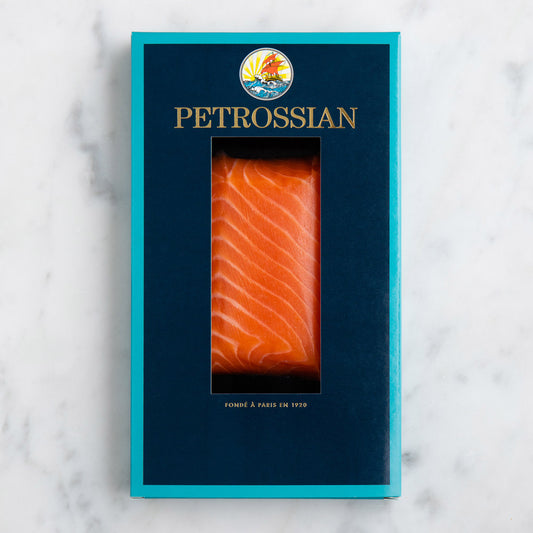
Packaging: Vacuum-sealed on a wooden board
Ingredients:
SALMON, salt, sugar, olive oil, paprika, chili pepper, garlic (SULPHITES), fenugreek, cumin, black pepper, coriander.
May contain traces of GLUTEN, MUSTARD, TREE NUTS, and PEANUTS.
Average nutritional values per 100 g:
Energy: 1038 kJ / 247 kcal
Fat: 11 g
- of which saturated fat: 2.7 g
Carbohydrates: 5.1 g
- of which sugars: 4.7 g
Protein: 32 g
Salt: 4.1 g
Price per kilo : 190€
Faq
Which salmon should you choose?
What is the country of origin of your salmon ?
What is the difference between farmed salmon and wild salmon ?
How to serve and enjoy salmon ?
Can I eat your salmon if I am pregnant?
Can I freeze salmon?
Which recipes for salmon?
Reviews

You may also like
Regular price
From
46,00€
Sale price
From
46,00€
Unit price
per
Ajouter au panier


Regular price
From
46,00€
Sale price
From
46,00€
Unit price
per
Ajouter au panier


Regular price
From
46,00€
Sale price
From
46,00€
Unit price
per
Ajouter au panier


Regular price
14,00€
Sale price
14,00€
Unit price
per


Regular price
49,50€
Sale price
49,50€
Unit price
per


Regular price
29,00€
Sale price
29,00€
Unit price
per

Jajik® Salmon
A Petrossian innovation: a grated highly smoked salmon
Regular price
23,00€
Sale price
23,00€
Unit price
per


Regular price
40,00€
Sale price
40,00€
Unit price
per